
How Tether Casino Platforms Are Changing Online Gambling for Canadian Players in 2026: A Guide to Crypto Payments, Security, and Responsible Gaming
How Tether Casino Platforms Are Changing Online Gambling for Canadian Players in 2026: A Guide to Crypto Payments, Security, and Responsible Gaming
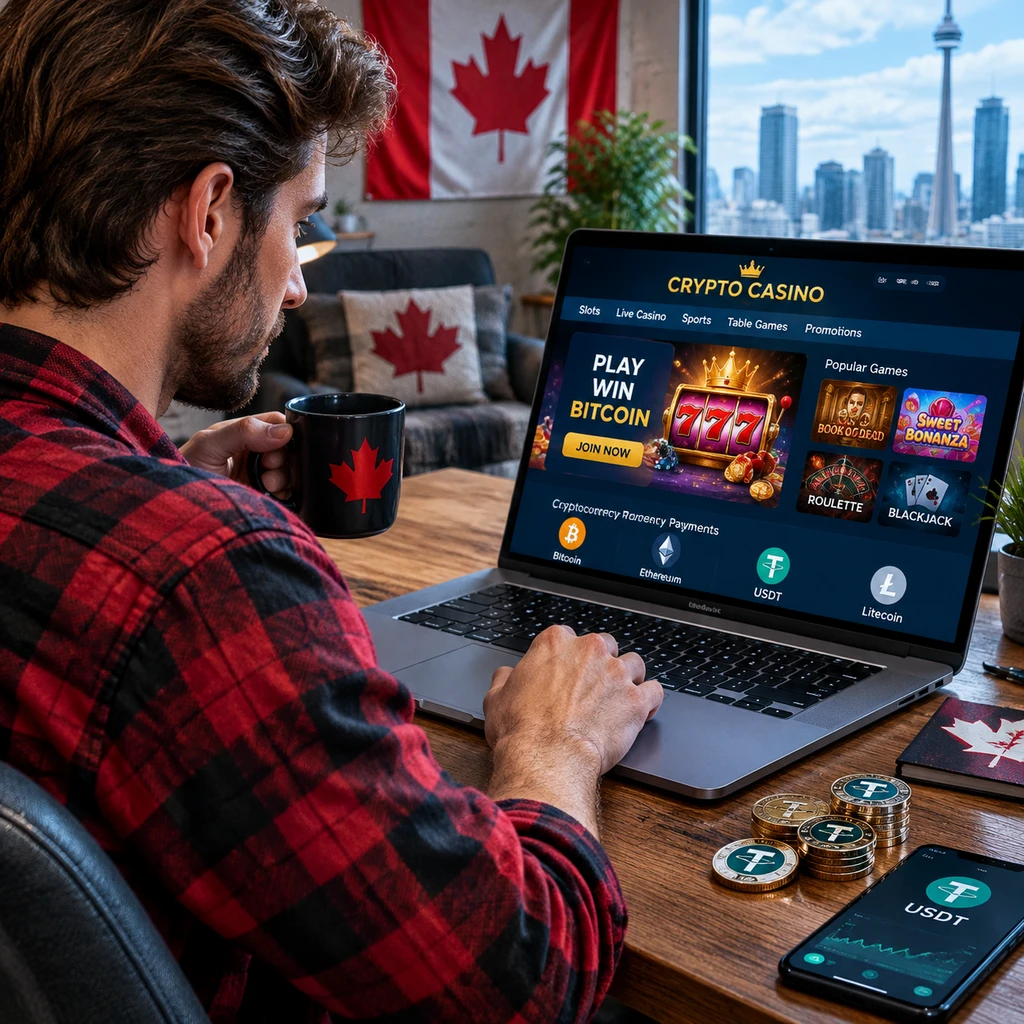
Something's clearly shifted in how Canadians fund their online gambling accounts. Over the past couple of years I've watched forum threads drift away from Interac e-Transfer delays and credit card declines toward one blunt question: why isn't everyone using Tether yet? By 2026, USDT has quietly turned into the go-to currency for a growing slice of online casino players across Canada — and honestly, it's not hard to see why. Traditional banking rails were never built with gambling transactions in mind. That friction shows up constantly, and players notice it fast. This guide walks through what tether casino platforms actually are, why Canadians keep switching over, how to stay secure, and how to keep things responsible even when money moves at blockchain speed.
What Is a Tether Casino and Why Canadians Are Switching
A Tether casino is just an online gambling platform that takes USDT as a deposit and withdrawal currency — either on its own or sitting alongside regular fiat options. Instead of routing your money through a Canadian bank, a card network, and sometimes a third-party processor stacked on top of that, you send USDT straight from your wallet to the casino's wallet address. The transaction confirms on-chain, often within minutes. Balance updates almost right away. No hold, no 'please allow 3-5 business days.'
Canadians are gravitating toward this setup for a few pretty straightforward reasons. Speed, first — blockchain doesn't care what time zone you're in or whether it's a long weekend. Cost, second — network fees for USDT transfers tend to run a fraction of what banks or card processors charge, especially on networks like TRC-20. And then there's a borderless quality to the whole thing that appeals to players tired of geo-restrictions and banking refusals tied to gambling merchant codes.
Understanding USDT as a Stablecoin
Unlike Bitcoin or Ethereum, which can swing wildly in a single day, Tether's built to hold a steady 1:1 peg with the US dollar. That stability comes from Tether Limited maintaining reserves meant to back every USDT token in circulation. For gamblers, this matters more than it sounds — nobody wants to deposit the equivalent of $200 and find their bankroll worth $150 an hour later just because the market moved. USDT takes that variable off the table entirely. Players get to treat their crypto balance pretty much like a digital dollar, which, if you've ever watched a volatile coin swing mid-session, is a genuine relief.
Key Benefits of Using Tether for Online Casino Deposits
Beyond the stability angle, it's the practical day-to-day perks that keep players coming back. Deposits typically settle in minutes instead of days. Withdrawals — often the biggest headache with traditional Canadian payment methods — can land in your wallet the same day instead of getting stuck in 'verification' purgatory over a long weekend.
Transaction fees are another big draw. A USDT withdrawal might run a dollar or two in network fees. Compare that to the percentage cuts some e-wallets take, or the outright rejections some Canadian banks apply to anything gambling-related. There's a privacy layer too: you're not handing over full banking details to every operator you try, since a wallet address simply doesn't carry the same personal info a bank account does.
Comparing Tether vs. Traditional Payment Methods
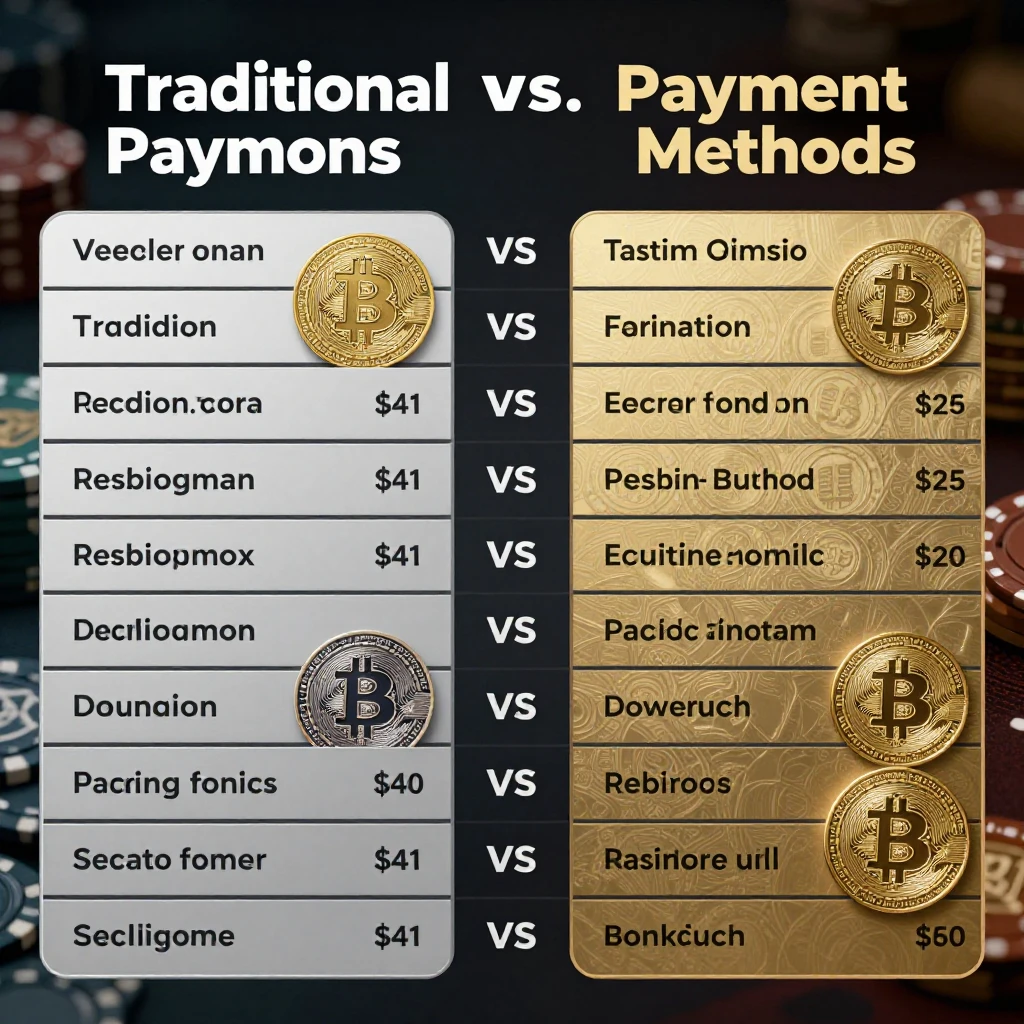
Helps to lay it all out side by side:
- Interac e-Transfer: Reliable but can be slow for withdrawals, sometimes flagged or delayed by banks for gambling-related transfers.
- Credit Cards: Convenient for deposits, but many Canadian issuers block gambling transactions outright or charge cash-advance fees.
- E-wallets (Skrill, Neteller): Fast, but withdrawal fees and currency conversion costs can quietly eat into winnings.
- USDT: Near-instant on both ends, minimal fees, available 24/7 regardless of bank holidays or processing windows.
Security Measures Canadian Players Should Look For
Speed and low fees are great, but none of it matters much if the platform isn't secure. When I size up a Tether casino, licensing is where I start — reputable operators hold licenses from recognized jurisdictions and display them clearly, usually down in the footer. Blockchain transparency helps too; since transactions get recorded on-chain, you can often verify your own deposit or withdrawal independently instead of just taking the casino's word for it.
Look for SSL encryption on the site, two-factor authentication on your account, and clear info about how the casino secures its hot and cold wallets. Platforms that stay vague about custody practices, or skip publishing any security documentation at all — skip them. Doesn't matter how good the bonuses look.
Choosing a Trustworthy Tether Casino Platform
Beyond the basic security checks, a trustworthy platform should tick a few more boxes. Licensing jurisdiction matters — not all licenses carry equal weight, so a quick search on the regulator's reputation is worth the five minutes it takes. Game provider reputation is another signal; established studios partnering with a casino lend it some credibility just by association. And withdrawal speed claims? Test them with a small amount first, before committing anything larger. Always.
Customer support responsiveness — especially around crypto-specific issues like delayed confirmations — tells you a lot about how seriously an operator takes the player experience. Finally, look for audited fairness certifications. Independent testing labs that verify random number generators and payout percentages matter just as much for crypto casinos as fiat ones. Maybe more, given how new a lot of this regulatory landscape still is.
Responsible Gaming in the Age of Crypto Gambling
Crypto introduces a few wrinkles to responsible gambling that simply didn't exist with traditional banking. The anonymity of wallet addresses makes it easier to open multiple accounts, which quietly undermines self-exclusion efforts. And the sheer speed of transactions — depositing more funds takes seconds — can make it dangerously easy to chase losses before the rational part of your brain catches up.
Good Canadian-facing platforms are starting to respond with tools built specifically for crypto play: deposit limits tied to wallet addresses, mandatory cooling-off periods after big losses, reality-check pop-ups that interrupt long sessions. If gambling starts feeling less like entertainment and more like a compulsion, reach out before it spirals further. Independent resources, including those found through a tether casino support hub, can offer guidance on healthy gambling habits and point you toward counseling or support services built specifically for crypto gamblers.
Tools and Resources for Safer Play
A few practical habits go a long way toward keeping crypto gambling in check:
- Set a weekly USD-equivalent budget before converting any fiat into USDT.
- Use third-party budgeting apps to track crypto spending separately from everyday finances.
- Enable self-exclusion or cooling-off features on every platform you use, not just your favorite one.
- Reach out to support organizations before a problem escalates, not after.
Common Mistakes to Avoid When Gambling with Tether
Even seasoned players slip up now and then. The mistake I see most often is treating wallet security casually — reusing passwords, skipping two-factor authentication, parking large sums in a hot wallet connected straight to a casino account. Another one: ignoring licensing altogether just because a site's interface looks polished. Appearances say nothing about regulatory compliance. Nothing at all.
Fast transactions create a psychological trap too. Because topping up takes seconds, it's tempting to chase losses in the moment instead of stepping back and actually thinking it through. And since USDT values stay pegged to the dollar, some players stop tracking their real spending — losing sight of how much they've deposited over a week or a month. Keeping a simple running total, even in a notes app, keeps that number honest.
Tether casinos are genuinely reshaping how Canadians gamble online in 2026 — trading banking delays and friction for speed, lower fees, and a more borderless way of playing. But that convenience comes with responsibility attached. It doesn't cancel it out. The smartest approach pairs the technical advantages of USDT with the same caution you'd apply to any financial decision: verify licensing, secure your wallet, and actually use the responsible gaming tools reputable platforms now build in. Innovation and safety aren't mutually exclusive here. They just ask a bit more awareness from whoever's choosing where to place that next bet.